Timber: the comeback of a building material
What timber construction delivers today, where its limits lie, and when the extra cost pays off.
by Jonas Weber
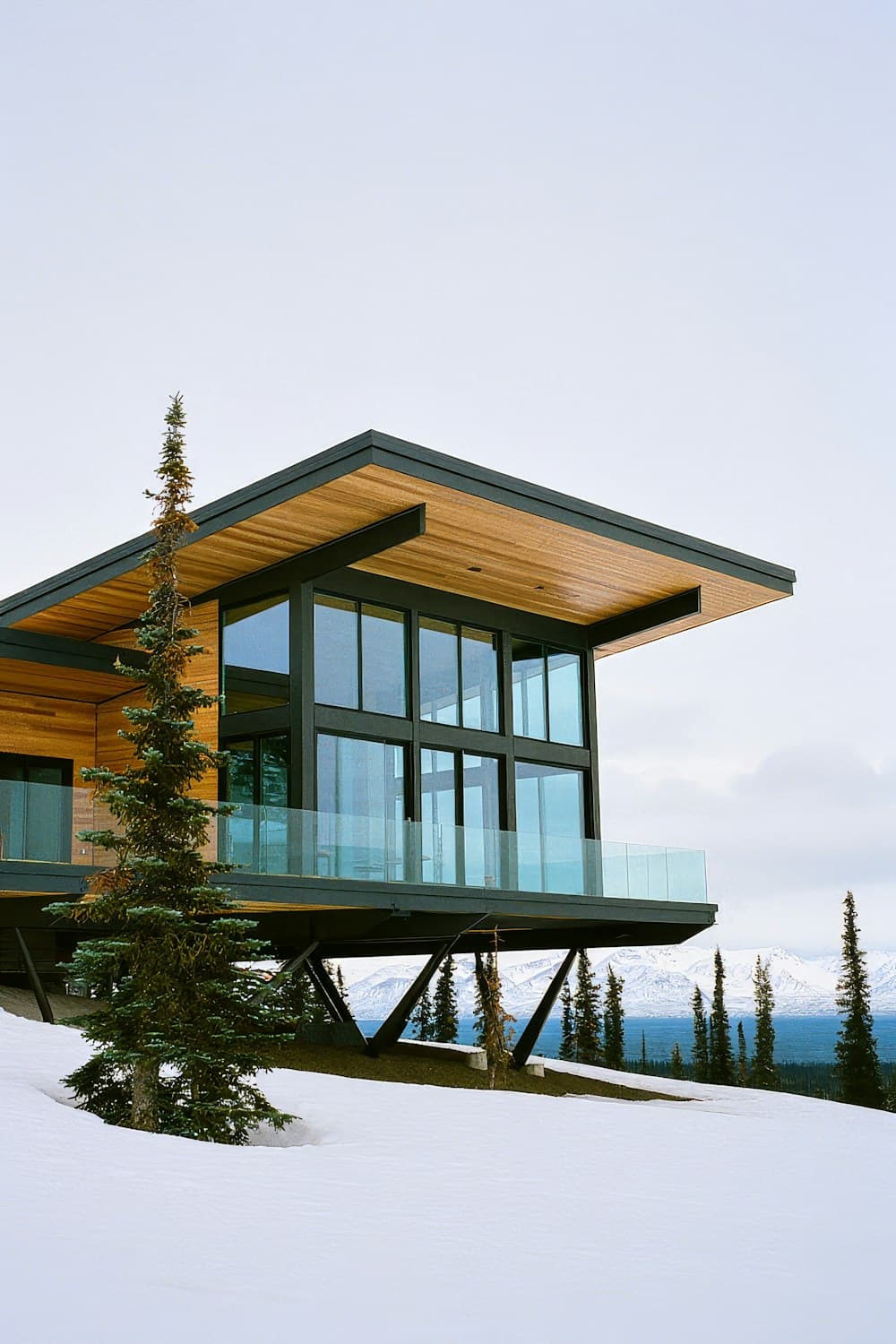
Timber was long the material of holiday homes. Today it carries seven-storey apartment buildings in the middle of the city. The reason is not nostalgia but building physics: cross-laminated timber carries a great deal of load at low weight and can be prefabricated in the workshop to the millimetre.
That shortens construction time considerably. Where a masonry structure needs weeks to dry out, a timber shell stands within days, because almost no moisture enters the building. On site the work is assembly rather than masonry, with far less noise and traffic for the neighbours.
There are limits nonetheless. Timber needs a carefully resolved detail at every junction where water could collect, and sound insulation between flats calls for carefully planned build-ups. Both are solvable, but neither is something you improvise on site.
What eighteen years have taught us: the premium over masonry runs between five and ten per cent depending on the project, and it pays for itself through the shorter build and the lower running costs.